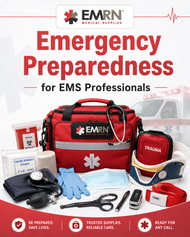
Emergency Preparedness Supplies for EMS Professionals: A Complete Equipment and Restocking Guide
Posted by Mark B on 29th Jul 2026
Emergency Preparedness Supplies for EMS Professionals: A Complete Equipment and Restocking Guide
EMS professionals need reliable, organized and readily accessible equipment for trauma response, airway management, patient assessment, immobilization, infection control and transport. This guide reviews the emergency preparedness supplies that should be checked, restocked and kept ready for rapid response.
Shop EMS Supplies & EquipmentEmergency medical services operate in fast-moving environments where the right equipment must be available without delay. Whether responding to a motor vehicle collision, workplace incident, medical emergency, community event or large-scale disaster, EMS teams depend on properly stocked response bags, ambulances, trauma kits and treatment areas.
Effective EMS emergency preparedness involves more than purchasing equipment. Supplies must be organized, inspected, replenished and matched to the types of calls a team may encounter. Missing airway products, expired sterile supplies, damaged immobilization equipment or low quantities of high-use disposables can affect response readiness.
EMRN Medical Supplies helps EMS agencies, paramedics, first responders, fire departments, healthcare facilities, industrial response teams and community organizations source practical EMS medical supplies in Canada, including trauma products, airway equipment, diagnostic supplies, immobilization devices, infection control products and emergency response equipment.
EMS Emergency Preparedness Supply Checklist
| Supply Category | Why It Matters | Common Uses |
|---|---|---|
| Trauma and Bleeding Control | Supports rapid management of bleeding, wounds and traumatic injuries | Trauma calls, collisions, workplace incidents, emergency response |
| Airway and Respiratory Supplies | Helps EMS personnel manage and support a patient’s airway and breathing | Respiratory distress, cardiac events, unconscious patients, resuscitation |
| Immobilization Equipment | Provides support and limits movement following suspected injury | Fractures, falls, spinal precautions, sports injuries, transport |
| Diagnostic Equipment | Supports patient assessment, monitoring and treatment decisions | Vital signs, oxygen saturation, blood pressure and cardiac assessment |
| PPE and Infection Control | Helps protect responders and patients during treatment and transport | Patient contact, wound care, airway procedures, cleaning and disposal |
| Response Bags and Storage | Keeps supplies organized, protected and accessible during calls | Ambulances, rapid response vehicles, event coverage and field teams |
Why EMS Supply Readiness Matters
EMS equipment may be used under difficult conditions, including poor weather, limited lighting, confined spaces, roadside environments and high-pressure scenes. Supplies must be easy to locate, quick to deploy and appropriate for the patient and situation.
Regular equipment checks help identify low stock, damaged packaging, expired products, missing accessories, depleted batteries and equipment that requires cleaning or replacement. These checks are especially important for frequently used products such as gloves, gauze, dressings, suction supplies, oxygen accessories, electrodes, probe covers and disposable airway products.
Preparedness also helps reduce unnecessary delays. When response bags and ambulance compartments follow a consistent layout, team members can find critical supplies more quickly, even when working with different partners or vehicles.
Essential Emergency Preparedness Supplies for EMS Teams
Trauma and Bleeding Control Supplies
Trauma supplies are a central part of emergency response preparedness. EMS teams should maintain an organized selection of products for bleeding control, wound coverage, stabilization and patient protection.
Frequently used trauma supplies may include sterile gauze, abdominal pads, trauma dressings, rolled gauze, medical tape, elastic wraps, triangular bandages, wound dressings and other products required by the agency’s protocols.
Supplies should be available in both primary response bags and vehicle compartments. High-use products should be checked after every call so that partially used kits are not returned to service without being replenished.
Shop Wound Care & Trauma SuppliesAirway and Respiratory Equipment
Airway and respiratory supplies support patients experiencing breathing difficulty, altered levels of consciousness, cardiac arrest and other medical emergencies. These products must be organized by type and size so responders can select the appropriate equipment quickly.
Depending on local protocols and scope of practice, EMS teams may stock resuscitation masks, bag-valve masks, suction supplies, oxygen masks, nasal cannulas, oxygen tubing, airways and related respiratory accessories.
Teams should regularly inspect masks, tubing, connectors, disposable components and oxygen-related accessories. Adult, pediatric and infant sizes should be separated clearly to reduce confusion during urgent situations.
Shop Respiratory SuppliesSplints and Immobilization Equipment
Immobilization supplies help support injured extremities and reduce unnecessary movement during assessment and transport. EMS vehicles should carry a practical range of splints and accessories suitable for different patient sizes and injury locations.
Common products may include arm splints, leg splints, wrist and forearm splints, traction splints, ankle harnesses, cervical collars, head immobilization products and securing straps.
Reusable immobilization equipment should be inspected for damage, contamination, worn fasteners and missing components. Cleaning instructions should be followed before equipment is returned to service.
Shop First Aid & Immobilization SuppliesPatient Assessment and Diagnostic Equipment
Diagnostic equipment helps EMS professionals assess a patient’s condition, monitor changes and communicate meaningful information during treatment and transport.
Common assessment tools include blood pressure equipment, stethoscopes, pulse oximeters, thermometers, penlights, cardiac monitoring accessories and replacement cuffs, probes or sensors.
Battery-operated equipment should be tested regularly. Teams should also check that replacement batteries, electrodes, probe covers, cuffs and other compatible accessories are available before the equipment is needed.
Shop Diagnostic EquipmentPPE and Infection Control Supplies
EMS personnel work in close contact with patients, bodily fluids, contaminated surfaces and unpredictable environments. PPE and infection control products should therefore be stocked in every vehicle and response bag.
Common supplies include disposable gloves, medical masks, respirators where required, protective gowns, eye protection, hand hygiene products, surface disinfectants, waste bags and sharps containers.
Gloves should be available in multiple sizes, and PPE should be stored where it can be accessed before patient contact. Cleaning products should be compatible with the surfaces and equipment used by the service.
Shop PPE & Protective SuppliesEMS Bags, Cases and Supply Organization
A reliable response bag is only effective when its contents are organized logically. Trauma, airway, pediatric, diagnostic and medication-related supplies should be separated into clearly marked sections according to the team’s procedures.
Colour-coded modules, transparent pouches, labelled compartments and standardized packing lists can make restocking easier and help responders identify missing items quickly.
Bags and cases should also be checked for damaged zippers, broken handles, contamination, moisture and worn compartments that may no longer secure equipment properly.
Browse EMS EquipmentComplete EMS Restocking Checklist
Restocking tip: Use the same compartment layout and packing list across response vehicles whenever possible. Consistent organization helps crews locate supplies more quickly and simplifies shift-change inspections.
How to Organize EMS Equipment for Faster Access
EMS equipment should be arranged according to urgency, frequency of use and clinical purpose. Critical products should be accessible without removing unrelated supplies or searching through multiple compartments.
Primary Response Bag
Frequently used assessment, airway, trauma and PPE supplies required during the initial patient contact.
Trauma Module
Gauze, dressings, wraps, tape, trauma pads and bleeding-control supplies grouped together.
Airway Module
Masks, tubing, suction accessories, airways and ventilation products organized by patient size.
Pediatric Module
Clearly marked pediatric assessment, airway and immobilization products separated from adult equipment.
PPE Compartment
Gloves, masks, gowns, eye protection and hand hygiene products accessible before patient contact.
Vehicle Reserve Stock
Backup disposables and replacement products used to replenish response bags between calls.
Preparing EMS Supplies for Severe Weather and Large-Scale Incidents
Severe weather, community emergencies, major events and multiple-patient incidents can increase demand for medical supplies. EMS organizations should evaluate whether normal vehicle inventory is sufficient for extended operations or unusually high call volumes.
Additional supplies may be required for warming, cooling, patient protection, mass-casualty organization, portable lighting, extended PPE use and replacement of frequently consumed disposables.
Preparedness Questions for EMS Leaders
Shop Emergency Preparedness Supplies from EMRN
EMS Supplies & Equipment
Emergency response products for ambulances, paramedics and first responders
Trauma & Wound Care
Gauze, dressings, bandages, wraps, medical tape and wound care products
Respiratory Supplies
Airway, oxygen, suction and respiratory care products and accessories
Diagnostic Equipment
Blood pressure, temperature, pulse oximetry and patient assessment supplies
PPE Supplies
Gloves, masks, gowns and protective supplies for emergency response teams
First Aid Supplies
Kits, splints, cold packs, CPR products and practical emergency supplies
Why EMS Professionals Buy from EMRN
EMRN Medical Supplies helps Canadian EMS teams, paramedics, fire departments, first responders, clinics, hospitals, industrial medical teams and healthcare organizations source dependable emergency preparedness supplies online.
Whether you are restocking a single response bag, preparing an ambulance for service, reviewing station inventory or planning for a larger emergency response, EMRN can help you find practical medical products for your team.
Shop EMS Supplies & EquipmentFrequently Asked Questions About EMS Emergency Preparedness
Keep Your EMS Team Ready with EMRN
Browse emergency preparedness supplies for EMS professionals, including trauma and wound care products, respiratory supplies, immobilization equipment, diagnostic devices, PPE, first aid supplies and emergency response equipment for Canadian paramedics, first responders and healthcare organizations.
Shop Emergency Preparedness Supplies