

Product details
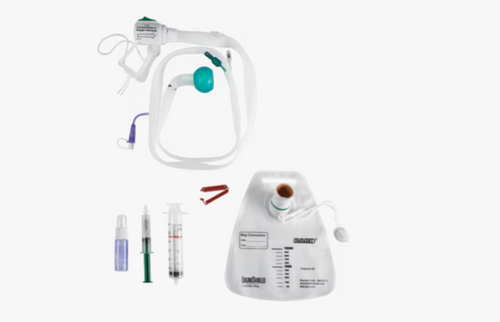
The DigniShield™ SMS Collection Bags are designed to provide safe, hygienic, and efficient waste collection when used with compatible stool management systems. Engineered for reliability, these collection bags help contain liquid and semi-liquid stool, supporting infection control and maintaining a cleaner care environment.
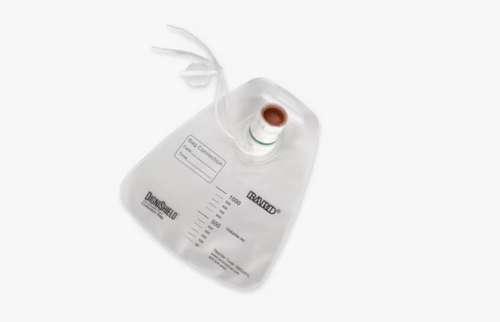
The secure connection system ensures a leak-resistant fit, minimizing the risk of spills and contamination during use. Their durable construction allows for dependable performance in high-demand clinical settings, while the clear design enables easy monitoring of output levels.
Designed for ease of use, these collection bags can be quickly attached and replaced, helping reduce caregiver workload and improve efficiency in patient care. Ideal for hospitals and long-term care facilities, they support effective fecal management for patients requiring continuous containment.
The BD® DigniShield™ Stool Management System (SMS) collection bag is designed to minimize permeation of gas and water vapor. Includes bag cap. For use with SMS002 and ENSMS002
Key Features:
- Designed for use with DigniShield™ stool management systems
- Secure, leak-resistant connection for reliable containment
- Supports infection control and hygiene
- Clear bag for easy output monitoring
- Durable construction for consistent performance
- Easy to attach and replace
Applications:
- Fecal management system waste collection
- Infection control in clinical environments
- Care for incontinent or critically ill patients
- Hospital and long-term care settings